
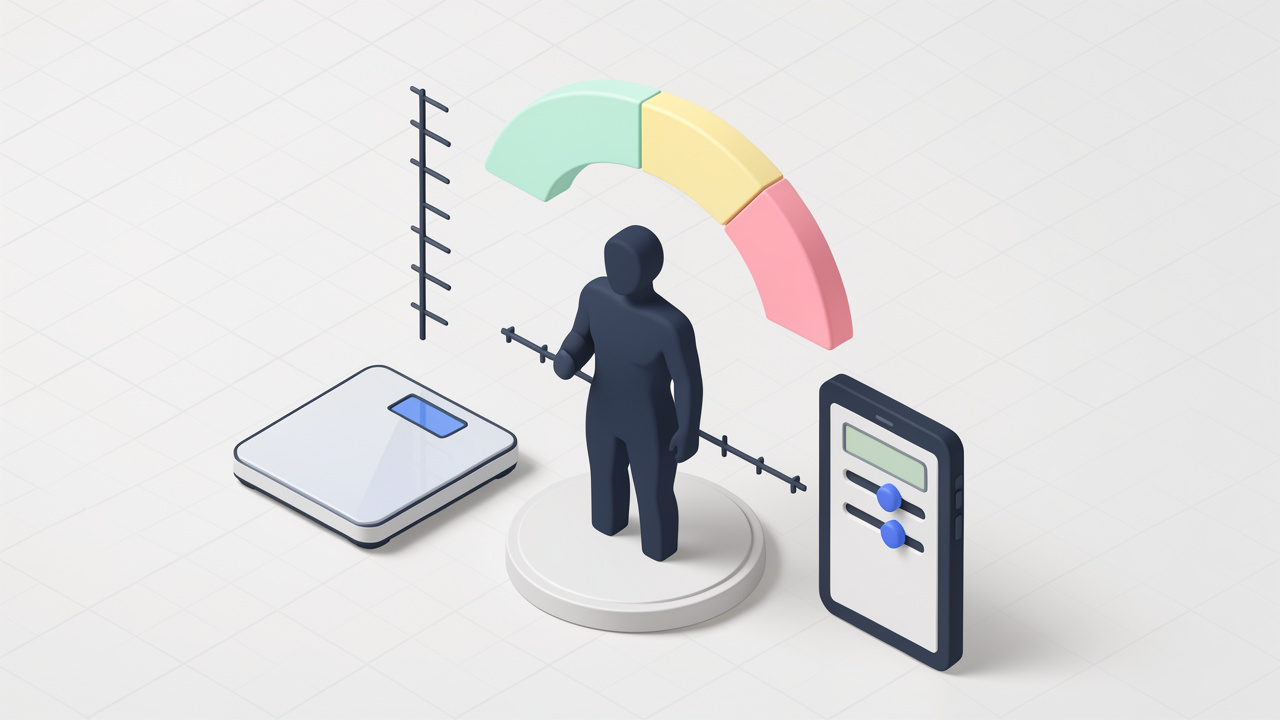
A BMI calculator is one of those deceptively simple tools that can answer a question many people quietly carry around: Am I in a healthy weight range for my height? In a few seconds, it turns two basic inputs, height and weight, into a number that offers a quick snapshot of body size relative to height. That speed and simplicity are exactly why BMI calculators remain so widely used online, in clinics, and in workplace wellness programs.
For busy people who prefer practical tools over complicated health jargon, a BMI calculator is appealing because it removes guesswork. You do not need lab tests, expensive apps, or wearable devices to use one. You just need accurate measurements and a basic understanding of what the result means, and just as importantly, what it does not mean.
What is a BMI calculator?
A BMI calculator is an online or offline tool that computes Body Mass Index, a numerical value derived from your weight and height. The purpose is to estimate whether your weight is proportionate to your height according to widely recognized categories. It is often used as a quick screening method rather than a full health diagnosis.
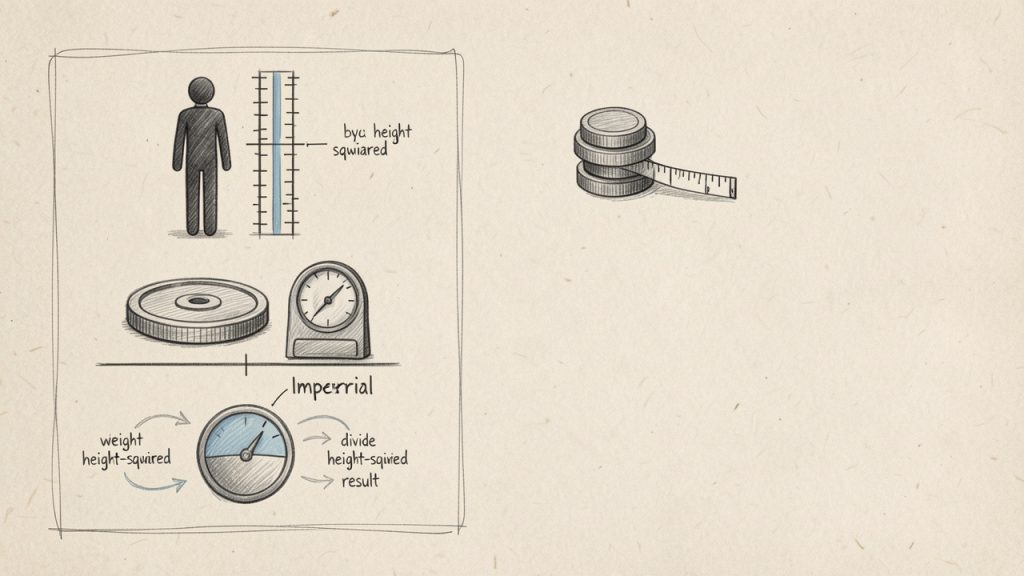
The formula behind BMI is straightforward. In metric units, BMI equals weight in kilograms divided by height in meters squared. In imperial units, the calculation adjusts for pounds and inches. Most online calculators handle the math automatically, which is why they are so popular with users who want an instant answer without manual conversion.
What makes a BMI calculator useful is not just the number itself, but the context around it. The result is usually grouped into standard ranges such as underweight, healthy weight, overweight, and obesity. These categories help people, healthcare providers, and wellness programs identify whether further attention may be needed.
That said, BMI is a screening tool, not a complete measure of health. It does not directly measure body fat, muscle mass, bone density, or where fat is stored in the body. A highly muscular person may register a high BMI without having excess body fat, while another person may fall into a so-called normal range and still have health risks that BMI alone cannot detect.
Why people use a BMI calculator
The biggest reason people use a BMI calculator is convenience. It gives immediate feedback and creates a starting point. If someone is beginning a health journey, reviewing workplace wellness goals, or tracking changes after lifestyle adjustments, BMI can serve as a baseline metric.
It is also common in broader health systems because it is standardized. That consistency allows doctors, researchers, and public health organizations to compare trends across large populations. For individuals, this standardization can be helpful, as long as the number is interpreted with common sense and not treated as the only indicator that matters.
Standard BMI categories
The most commonly used adult BMI categories are shown below.

| BMI Range | Category |
|---|---|
| Below 18.5 | Underweight |
| 18.5 to 24.9 | Healthy weight |
| 25.0 to 29.9 | Overweight |
| 30.0 and above | Obesity |
These ranges are widely recognized for adults, but they are not applied exactly the same way for children and teens. Younger age groups are typically assessed using age- and sex-specific percentile charts rather than adult BMI cutoffs.
Key aspects of BMI calculator
To use a BMI calculator well, it helps to understand both its strengths and limitations. On the positive side, BMI is simple, accessible, and fast. Those three qualities make it ideal for online tools aimed at users who want quick results without complexity. It is also useful for trend tracking. If your BMI changes over time alongside changes in diet, activity, or routine, that shift can help you spot progress or potential issues.
Another important aspect is accuracy of input. A BMI calculator is only as good as the numbers entered. Small mistakes in height or weight can change the result enough to move someone from one category to another. This is especially true for shorter individuals, where even minor height errors can noticeably affect the score.
BMI calculators also vary in how much context they provide. Some tools only display the number. Better calculators explain the category, offer unit switching between metric and imperial, and clarify that BMI is not a diagnosis. The best versions combine simplicity with useful interpretation, helping users avoid drawing overly dramatic conclusions from a single number.
BMI versus other health measurements
BMI is often more meaningful when paired with other indicators. For example, waist circumference can offer insight into abdominal fat, which is associated with higher metabolic risk. Body fat percentage can provide a more direct view of composition, although measuring it accurately usually requires specialized methods or devices.
Blood pressure, cholesterol, blood sugar, fitness level, sleep quality, and daily activity all add valuable context too. A person with a BMI in the healthy range but poor cardiovascular markers may still need lifestyle changes. Likewise, someone with a BMI above the standard range may be metabolically healthy and physically active.
This is why professionals often treat BMI as a first-pass filter. It is useful because it is easy. It is limited because health is more complex than one equation.
Who should be cautious when interpreting BMI
Certain groups should be especially careful not to overinterpret BMI results. Athletes and strength-trained individuals often carry more lean mass, which can push BMI upward without indicating poor health. Older adults may experience changes in body composition that BMI does not capture well. Pregnant individuals also require separate assessment methods, since normal weight changes during pregnancy do not fit standard BMI interpretation.
People from different ethnic backgrounds may also face different risk patterns at the same BMI levels. This does not make BMI useless, but it does mean context matters. A calculator can provide a useful signal, but it cannot replace individualized assessment.
Benefits and limitations at a glance
| Aspect | Why It Helps | Where It Falls Short |
|---|---|---|
| Simplicity | Fast, easy to use, no special equipment | Can feel overly reductive |
| Accessibility | Free online tools are widely available | Quality of explanations varies |
| Standardization | Useful for broad comparisons and tracking | Does not reflect individual nuances well |
| Screening value | Good starting point for health conversations | Not a diagnosis or full risk profile |
| Ease of tracking | Helpful for monitoring general trends | Can be misleading if used alone |
How to get started with a BMI calculator
If you want to use a BMI calculator effectively, start with clean data. Measure your weight under consistent conditions, ideally at the same time of day and with similar clothing. For height, avoid guessing. Even a rough estimate can distort the result more than people expect.
Once you have accurate numbers, enter them into a calculator that supports the units you prefer. Most modern tools allow either kilograms and meters or pounds and inches. After you receive the BMI result, look at both the number and the category, but stop short of assigning it too much power. It is a clue, not a verdict.
A practical way to approach BMI is to treat it as part of a broader personal dashboard. If your result is outside the healthy range, that may be a prompt to examine eating habits, movement, sleep, stress, and medical history. If your BMI falls within the healthy range, that is useful to know, but it should not automatically be taken as proof that everything else is optimal.
A simple way to use BMI in real life
- Measure accurately: Use current, realistic height and weight values.
- Calculate once, then track over time: Focus on trends instead of obsessing over daily changes.
- Add context: Consider waist size, fitness, energy levels, and any existing health markers.
- Act on patterns: If the number raises concerns, use it as a reason to seek better habits or medical advice.
This approach keeps the tool useful without turning it into a source of anxiety. Health metrics are most powerful when they guide action, not when they trigger self-judgment.
Choosing a good online BMI calculator
Not all calculators are equally helpful. A good BMI calculator should feel intuitive, load quickly, and explain the result in plain language. It should also clarify that BMI is intended for general screening, not definitive diagnosis.
For productivity-minded users, this matters more than it might seem. A clean, trustworthy tool saves time and reduces confusion. When a calculator is well designed, the user can move from input to insight without distractions, pop-ups, or vague explanations.
If you are using one regularly, it also helps to choose a calculator that works well on mobile. Many people check health metrics on the go, between meetings, during breaks, or while setting personal goals alongside work and family responsibilities. A fast, free tool fits naturally into that routine.
When to talk to a professional
There are times when a BMI result should lead to a deeper conversation. If the number is significantly above or below the usual range, or if it changes quickly without a clear reason, speaking with a healthcare professional is a smart next step. The same applies if you have symptoms such as fatigue, shortness of breath, persistent pain, or metabolic concerns.
A professional can interpret BMI alongside family history, medications, lab work, physical activity, and body composition. That fuller picture is where real health decisions should be made. The calculator opens the door. It should not be the final word.
Conclusion
A BMI calculator remains useful because it does one thing very well, it offers a quick, accessible estimate of whether your weight is proportionate to your height. For people who want a free, easy-to-use online tool, that simplicity is a major strength. It provides a starting point, helps track trends, and encourages more informed health conversations.
The smartest next step is to use BMI as one part of a bigger picture. Check your numbers accurately, review the result with context, and pair it with other markers that reflect your overall well-being. If something looks off, use that insight to make practical changes or get professional guidance. A good calculator gives you a number. A better approach turns that number into action.
Leave a Reply