
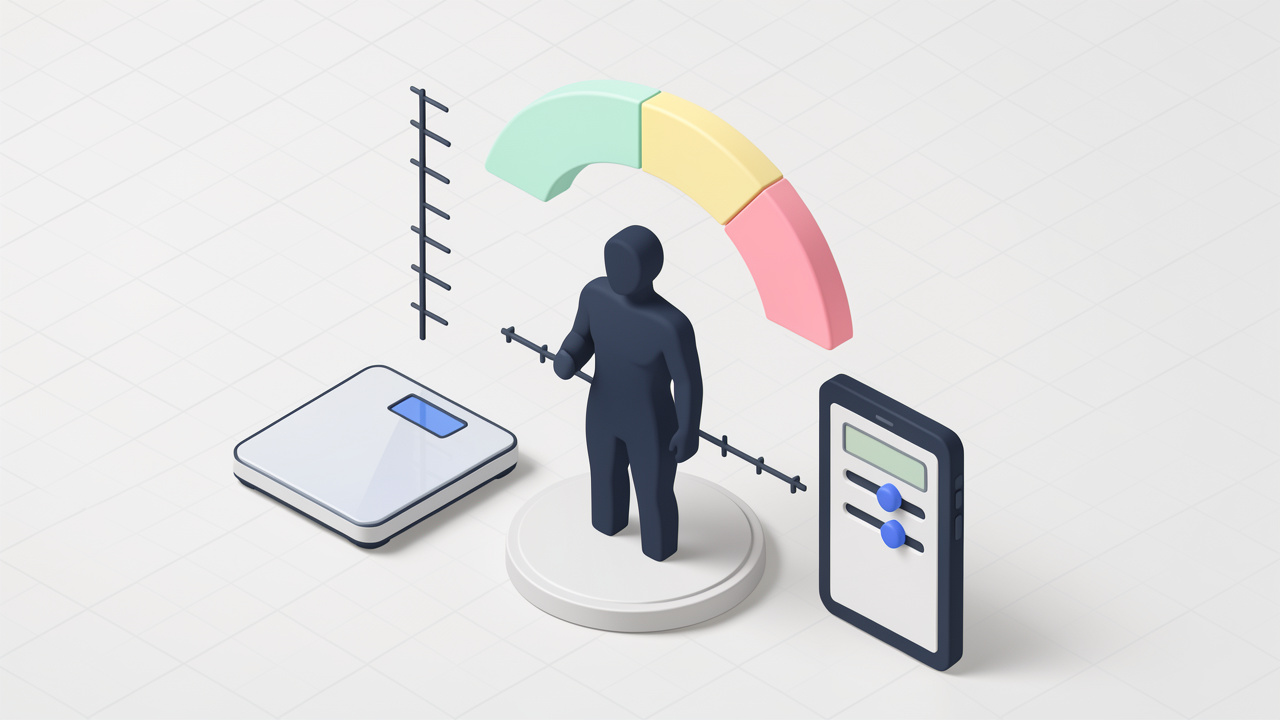
ตัวคำนวณ BMI เป็นหนึ่งในเครื่องมือที่ดูเรียบง่ายแต่สามารถตอบคำถามที่หลายคนมักพกพาไว้ในใจ: ฉันอยู่ในช่วงน้ำหนักที่เหมาะสมกับความสูงของฉันหรือไม่? ในไม่กี่วินาที มันเปลี่ยนข้อมูลพื้นฐานสองรายการ ได้แก่ ความสูงและน้ำหนัก ให้เป็นตัวเลขที่มอบภาพรวมอย่างรวดเร็วของขนาดร่างกายเมื่อเทียบกับความสูง ความเร็วและความเรียบง่ายนี้คือเหตุผลที่ตัวคำนวณ BMI ยังได้รับความนิยมอย่างแพร่หลายออนไลน์ ตามคลินิก และในโปรแกรมสุขภาวะที่ใช้ในที่ทำงาน
สำหรับผู้ที่มีงานยุ่งและชอบเครื่องมือที่ใช้งานได้จริงมากกว่าภาษาทางการด้านสุขภาพ BMI ตัวคำนวณมีความน่าสนใจเพราะมันขจัดการเดาออกไป คุณไม่จำเป็นต้องมีการทดสอบในห้องปฏิบัติการ แอปที่แพง หรืออุปกรณ์สวมใส่เพื่อลองใช้ คุณแค่ต้องมีการวัดที่ถูกต้องและความเข้าใจพื้นฐานว่าสิ่งที่ผลลัพธ์หมายถึง และที่สำคัญกว่านั้น มันไม่ได้หมายถึงอะไร
ตัวคำนวณ BMI คืออะไร?
ตัวคำนวณ BMI เป็นเครื่องมือออนไลน์หรือออฟไลน์ที่คำนวณดัชนีมวลกาย ซึ่งเป็นค่าตัวเลขที่ได้จากน้ำหนักและความสูง จุดประสงค์คือการประมาณว่าน้ำหนักของคุณสัดส่วนกับความสูงของคุณตามหมวดหมู่ที่เป็นที่ยอมรับอย่างแพร่หลาย มักถูกใช้เป็นวิธีคัดกรองอย่างรวดเร็วมากกว่าการวินิจฉัยสุขภาพแบบครบถ้วน
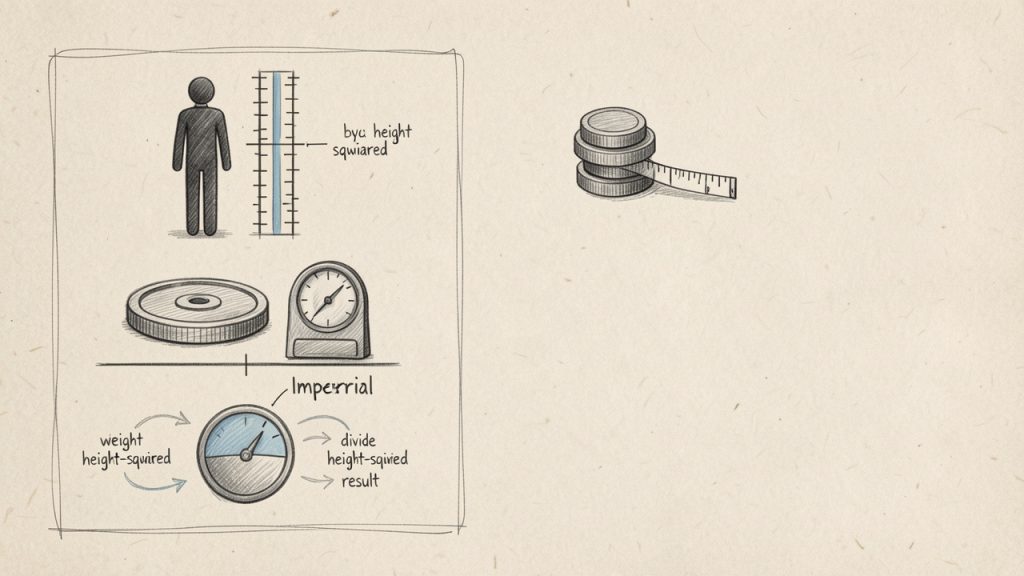
สูตรเบื้องหลัง BMI เรียบง่าย ในหน่วยเมตริก BMI เท่ากับน้ำหนักเป็นกิโลกรัมหารด้วยความสูงเป็นเมตรยกกำลังสอง ในหน่วยอิมพีเรียล การคำนวณจะปรับสำหรับปอนด์และนิ้ว เครื่องคิดเลขออนไลน์ส่วนใหญ่จะคำนวณคณิตศาสตร์โดยอัตโนมัติ ซึ่งเป็นเหตุผลที่พวกเขาได้รับความนิยมมากกับผู้ใช้งานที่ต้องการคำตอบทันทีโดยไม่ต้องแปลงด้วยตนเอง
สิ่งที่ทำให้ตัวคำนวณ BMI มีประโยชน์ไม่ใช่แค่ตัวเลขเอง แต่บริบทที่ล้อมรอบ ผลลัพธ์มักถูกจัดกลุ่มเป็นช่วงมาตรฐาน เช่น น้ำหนักน้อยกว่ามาตรฐาน, น้ำหนักอยู่ในเกณฑ์ที่เหมาะสม, น้ำหนักเกิน, และโรคอ้วน ชนิดหมวดหมู่เหล่านี้ช่วยให้ผู้คน ผู้ให้บริการด้านสุขภาพ และโปรแกรมด้านสุขภาวะระบุได้ว่าการดูแลเพิ่มเติมอาจจำเป็น
อย่างไรก็ตาม BMI เป็นเครื่องมือคัดกรอง ไม่ใช่มาตรการสุขภาพทั้งหมด มันไม่วัดไขมันในร่างกาย มวลกล้ามเนื้อ ความหนาแน่นของกระดูก หรือที่ที่ไขมันถูกสะสมในร่างกาย บุคคลที่มีกล้ามเนื้อสูงมากอาจมี BMI สูงโดยไม่มไขมันในร่างกายส่วนเกิน ในขณะที่บุคคลอื่นอาจเข้าเกณฑ์ปกติแต่ยังมีความเสี่ยงต่อสุขภาพที่ BMI เพียงอย่างเดียวไม่สามารถตรวจพบ
ทำไมผู้คนถึงใช้ตัวคำนวณ BMI
เหตุผลหลักที่ผู้คนใช้ตัวคำนวณ BMI คือความสะดวก มันให้ข้อเสนอแนะทันทีและสร้างจุดเริ่มต้น หากใครกำลังเริ่มเส้นทางสุขภาพ ตรวจสอบเป้าหมายสุขภาวะที่ทำงาน หรือติดตามการเปลี่ยนแปลงหลังการปรับวิถีชีวิต BMI สามารถทำหน้าที่เป็นเมตริกฐานข้อมูล
มันยังเป็นเรื่องปกติในระบบสุขภาพที่กว้างขึ้นเพราะมันถูกมาตรฐาน ความสอดคล้องนี้ช่วยให้แพทย์ นักวิจัย และองค์กรสาธารณสุขเปรียบเทรนด์ในประชากรจำนวนมากได้ สำหรับบุคคล การมาตรฐานนี้อาจเป็นประโยชน์ได้ ตราบใดที่ตัวเลขถูกตีความด้วยสามัญสำนะและไม่ถูกมองว่าเป็นเพียงดัชนีเดียวที่สำคัญ
หมวดหมู่ BMI มาตรฐาน
หมวดหมู่ BMI สำหรับผู้ใหญ่ที่ใช้งานกันมากที่สุดปรากฏด้านล่าง

| BMI Range | Category |
|---|---|
| Below 18.5 | Underweight |
| 18.5 to 24.9 | Healthy weight |
| 25.0 to 29.9 | Overweight |
| 30.0 and above | Obesity |
These ranges are widely recognized for adults, but they are not applied exactly the same way for children and teens. Younger age groups are typically assessed using age- and sex-specific percentile charts rather than adult BMI cutoffs.
Key aspects of BMI calculator
To use a BMI calculator well, it helps to understand both its strengths and limitations. On the positive side, BMI is simple, accessible, and fast. Those three qualities make it ideal for online tools aimed at users who want quick results without complexity. It is also useful for trend tracking. If your BMI changes over time alongside changes in diet, activity, or routine, that shift can help you spot progress or potential issues.
Another important aspect is accuracy of input. A BMI calculator is only as good as the numbers entered. Small mistakes in height or weight can change the result enough to move someone from one category to another. This is especially true for shorter individuals, where even minor height errors can noticeably affect the score.
BMI calculators also vary in how much context they provide. Some tools only display the number. Better calculators explain the category, offer unit switching between metric and imperial, and clarify that BMI is not a diagnosis. The best versions combine simplicity with useful interpretation, helping users avoid drawing overly dramatic conclusions from a single number.
BMI versus other health measurements
BMI is often more meaningful when paired with other indicators. For example, waist circumference can offer insight into abdominal fat, which is associated with higher metabolic risk. Body fat percentage can provide a more direct view of composition, although measuring it accurately usually requires specialized methods or devices.
Blood pressure, cholesterol, blood sugar, fitness level, sleep quality, and daily activity all add valuable context too. A person with a BMI in the healthy range but poor cardiovascular markers may still need lifestyle changes. Likewise, someone with a BMI above the standard range may be metabolically healthy and physically active.
This is why professionals often treat BMI as a first-pass filter. It is useful because it is easy. It is limited because health is more complex than one equation.
Who should be cautious when interpreting BMI
Certain groups should be especially careful not to overinterpret BMI results. Athletes and strength-trained individuals often carry more lean mass, which can push BMI upward without indicating poor health. Older adults may experience changes in body composition that BMI does not capture well. Pregnant individuals also require separate assessment methods, since normal weight changes during pregnancy do not fit standard BMI interpretation.
People from different ethnic backgrounds may also face different risk patterns at the same BMI levels. This does not make BMI useless, but it does mean context matters. A calculator can provide a useful signal, but it cannot replace individualized assessment.
Benefits and limitations at a glance
| Aspect | Why It Helps | Where It Falls Short |
|---|---|---|
| Simplicity | Fast, easy to use, no special equipment | Can feel overly reductive |
| Accessibility | Free online tools are widely available | Quality of explanations varies |
| Standardization | Useful for broad comparisons and tracking | Does not reflect individual nuances well |
| Screening value | Good starting point for health conversations | Not a diagnosis or full risk profile |
| Ease of tracking | Helpful for monitoring general trends | Can be misleading if used alone |
How to get started with a BMI calculator
If you want to use a BMI calculator effectively, start with clean data. Measure your weight under consistent conditions, ideally at the same time of day and with similar clothing. For height, avoid guessing. Even a rough estimate can distort the result more than people expect.
Once you have accurate numbers, enter them into a calculator that supports the units you prefer. Most modern tools allow either kilograms and meters or pounds and inches. After you receive the BMI result, look at both the number and the category, but stop short of assigning it too much power. It is a clue, not a verdict.
A practical way to approach BMI is to treat it as part of a broader personal dashboard. If your result is outside the healthy range, that may be a prompt to examine eating habits, movement, sleep, stress, and medical history. If your BMI falls within the healthy range, that is useful to know, but it should not automatically be taken as proof that everything else is optimal.
A simple way to use BMI in real life
- Measure accurately: Use current, realistic height and weight values.
- Calculate once, then track over time: Focus on trends instead of obsessing over daily changes.
- Add context: Consider waist size, fitness, energy levels, and any existing health markers.
- Act on patterns: If the number raises concerns, use it as a reason to seek better habits or medical advice.
This approach keeps the tool useful without turning it into a source of anxiety. Health metrics are most powerful when they guide action, not when they trigger self-judgment.
Choosing a good online BMI calculator
Not all calculators are equally helpful. A good BMI calculator should feel intuitive, load quickly, and explain the result in plain language. It should also clarify that BMI is intended for general screening, not definitive diagnosis.
For productivity-minded users, this matters more than it might seem. A clean, trustworthy tool saves time and reduces confusion. When a calculator is well designed, the user can move from input to insight without distractions, pop-ups, or vague explanations.
If you are using one regularly, it also helps to choose a calculator that works well on mobile. Many people check health metrics on the go, between meetings, during breaks, or while setting personal goals alongside work and family responsibilities. A fast, free tool fits naturally into that routine.
When to talk to a professional
There are times when a BMI result should lead to a deeper conversation. If the number is significantly above or below the usual range, or if it changes quickly without a clear reason, speaking with a healthcare professional is a smart next step. The same applies if you have symptoms such as fatigue, shortness of breath, persistent pain, or metabolic concerns.
A professional can interpret BMI alongside family history, medications, lab work, physical activity, and body composition. That fuller picture is where real health decisions should be made. The calculator opens the door. It should not be the final word.
Conclusion
A BMI calculator remains useful because it does one thing very well, it offers a quick, accessible estimate of whether your weight is proportionate to your height. For people who want a free, easy-to-use online tool, that simplicity is a major strength. It provides a starting point, helps track trends, and encourages more informed health conversations.
The smartest next step is to use BMI as one part of a bigger picture. Check your numbers accurately, review the result with context, and pair it with other markers that reflect your overall well-being. If something looks off, use that insight to make practical changes or get professional guidance. A good calculator gives you a number. A better approach turns that number into action.
ใส่ความเห็น