

A long, messy link can quietly damage a great campaign. It looks untrustworthy in a text message, eats up precious characters in social posts, and gives you almost no control over branding or click tracking.
If you want to shorten URL online without sacrificing analytics, trust, or flexibility, the right tool matters. Some services are perfect for quick personal links. Others are built for marketers who need branded domains, QR codes, UTM tracking, and API access. A few give developers and privacy-focused teams full control through self-hosting.
This guide combines both sides of the decision. You will learn how URL shorteners work, how to create better short links, what pitfalls to avoid, and which tools stand out for individuals, small businesses, freelancers, and technical teams.
What is a URL shortener and why use one?
A URL shortener turns a long web address into a shorter, easier-to-share link. Instead of posting a bulky URL filled with tracking parameters, category paths, and random characters, you get something compact and readable.
At a basic level, a shortener stores your original destination URL and creates a new, shorter address that redirects visitors to it. When someone clicks the shortened link, the service forwards them to the original page almost instantly. To the user, it feels seamless. Behind the scenes, the shortener may also log information such as click count, device type, location, and referral source.
How URL shorteners work
Most online shorteners use standard HTTP redirects. Two redirect types commonly come up: a 301 redirect, and a 302 redirect. A 301 redirect usually signals a permanent move, while a 302 redirect signals a temporary one. In practice, many modern shortening services manage this for you, but the distinction still matters for SEO, caching behavior, and analytics setups.
If you are using shortened links mainly for marketing campaigns, analytics consistency is usually more important than obsessing over redirect theory.
If you are using them for long-term branded assets, such as links in print materials or QR codes, it is worth checking how the provider handles redirects and whether those links are meant to stay stable indefinitely.
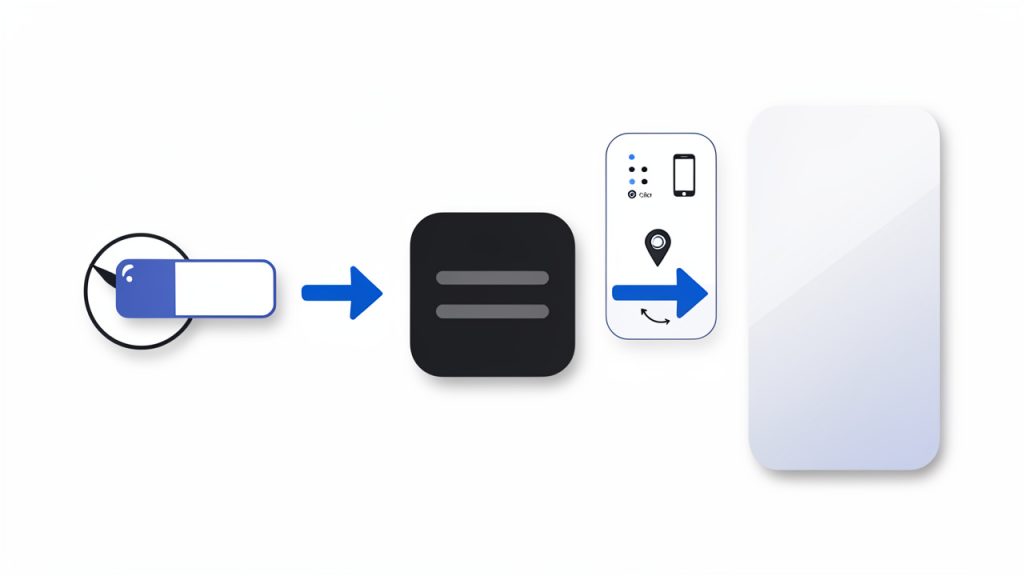
A custom domain adds another layer of professionalism. Instead of using a public shortener domain, you can create links on a domain you own, such as go.yourbrand.com or link.yourcompany.com. That improves recognition and often lifts click confidence because users can immediately see the brand behind the link.
Common use cases
Shortened links are useful anywhere space, readability, or tracking matters. Social media is the obvious example, especially for platforms where a clean link looks better than a long parameter-heavy one. SMS marketing is another major use case because every character counts and trust matters even more.
They are also widely used in email campaigns, QR codes, affiliate promotions, podcast show notes, YouTube descriptions, and offline materials such as flyers or packaging. A short, branded URL is easier to type from a poster than a long product page link.
Key benefits
A short link improves clarity. It looks cleaner and feels easier to share.
Shorteners also make tracking easier. Many services provide dashboards showing clicks by channel, geography, device, or time period, which simplifies campaign comparison and optimization.
Finally, brand recognition matters. A branded short domain signals trust and familiarity, which often improves click-through rate and customer confidence.
Types of URL shorteners: free vs paid, hosted vs self-hosted
Not all URL shorteners solve the same problem. Some are built for pure convenience. Others are really campaign management tools disguised as link generators.
Free public shorteners
Free public tools are the fastest way to shorten a URL online. You paste a long link, click a button, and copy the short version. They are ideal for one-off sharing, personal use, lightweight social posting, and quick experiments.
The trade-off is limited analytics, fewer customization options, weaker branding, and less control over link permanence. Some free tools also impose rate limits or reserve advanced features, such as QR codes and custom slugs, for paid tiers.
Paid and business-focused solutions
Paid shorteners add structure and control. They often include custom domains, team access, deeper analytics, link routing rules, UTM tracking, QR code generation, and API access. These features matter if shortened links are part of your sales funnel rather than just a convenience.
For small businesses and marketers, the real value is not the short link itself, but the ecosystem around it: reporting, brand consistency, campaign segmentation, and dependable uptime.
Self-hosted and open-source options
Self-hosted shorteners let you run the service yourself on your own infrastructure. That gives you full control over branding, data retention, privacy, and feature customization.
This route makes sense for developers, agencies, or privacy-conscious organizations that do not want link data flowing through a third-party platform. The downside is maintenance. You become responsible for hosting, updates, abuse prevention, backups, and security hardening.
When to choose each type
If you are an individual sharing occasional links, a free hosted shortener is usually enough.
If you are a freelancer, small business, or marketer running campaigns, a managed paid tool is often the sweet spot because it balances convenience with branding and analytics.
If you are a developer, technical team, or privacy-first organization that needs complete control, self-hosting becomes more attractive.
How to shorten a URL online: step-by-step guide
Shortening a link is easy. Doing it well takes a little more care.
Quick start with a public tool
A typical workflow looks like this:
- Paste the destination URL into the shortener’s input field.
- Check the full destination for errors before generating the short link.
- Customize the slug if the tool allows it, such as
/spring-saleinstead of random characters. - Generate and copy the link.
- Test it on desktop and mobile before publishing.
That process takes less than a minute, but one mistake can send traffic to the wrong page or break campaign attribution.
Creating branded short links
If you want branded links, the process usually starts with setting up a custom domain or subdomain in your DNS settings. Many tools walk you through the connection with clear instructions, such as creating a CNAME record.
Once connected, you can create short links using your own domain. Instead of a generic public shortener URL, users see your brand in the link itself. That is especially useful for SMS, print campaigns, and client-facing links where trust matters.
Adding UTM parameters without breaking tracking
UTM parameters help you measure campaign source, medium, and content inside analytics platforms like Google Analytics. The safest approach is to build your full campaign URL first, with all required UTMs, and then shorten that final version.
A common mistake is shortening a plain URL, then trying to add UTMs later inside a second system. That can create duplication, misattribution, or broken reporting. Another frequent issue is stacking multiple tracking systems on top of each other without documenting which one is the source of truth.
A simple rule helps: build the final destination URL once, verify the parameters, then shorten it. After that, click the short link and confirm the UTMs remain intact in the browser before launch.
Generating QR codes from shortened links
Many modern shorteners can generate QR codes directly from the shortened URL. That matters because a QR code tied to a manageable short link is far more flexible than one tied to a raw destination URL.
If the platform lets you edit the destination later, you can keep the printed QR code the same while updating where it sends people. That is useful for menus, event signage, packaging, and seasonal promotions.
Top online URL shortener tools compared
Below are some of the best-known platforms for anyone who wants to shorten URL online, from casual users to enterprise teams.
Feature comparison table
| Tool | Best For | Custom Domain | Analytics | API | QR Codes | Self-Hosted | Pricing Style |
|---|---|---|---|---|---|---|---|
| Bitly | Businesses, marketers | Yes | Strong | Yes | Yes | No | Free + paid plans |
| TinyURL | Simple personal use | Limited/available on higher tiers | Basic to moderate | Yes | Limited | No | Free + paid plans |
| Rebrandly | Branding-first teams | Yes | Strong | Yes | Yes | No | Free + paid plans |
| Short.io | SMBs, marketers, developers | Yes | Strong | Yes | Yes | No | Free + paid plans |
| BL.INK | Enterprise, teams | Yes | Advanced | Yes | Yes | No | Paid-focused |
| Tiny.cc | Individuals, light business use | Yes | Moderate | Yes | Limited | No | Free + paid plans |
| is.gd | Fast anonymous shortening | No meaningful branding focus | Minimal | Limited | No | No | Free |
| T2M | QR code and campaign users | Yes | Strong | Yes | Yes | No | Paid-focused |
| YOURLS | Developers, self-hosters | Yes | Depends on setup | Yes | Plugin-based | Yes | Free open-source |
| Kutt | Open-source, privacy-minded users | Yes | Moderate | Yes | Some setups | Yes | Free open-source / hosted variants |
1. Bitly
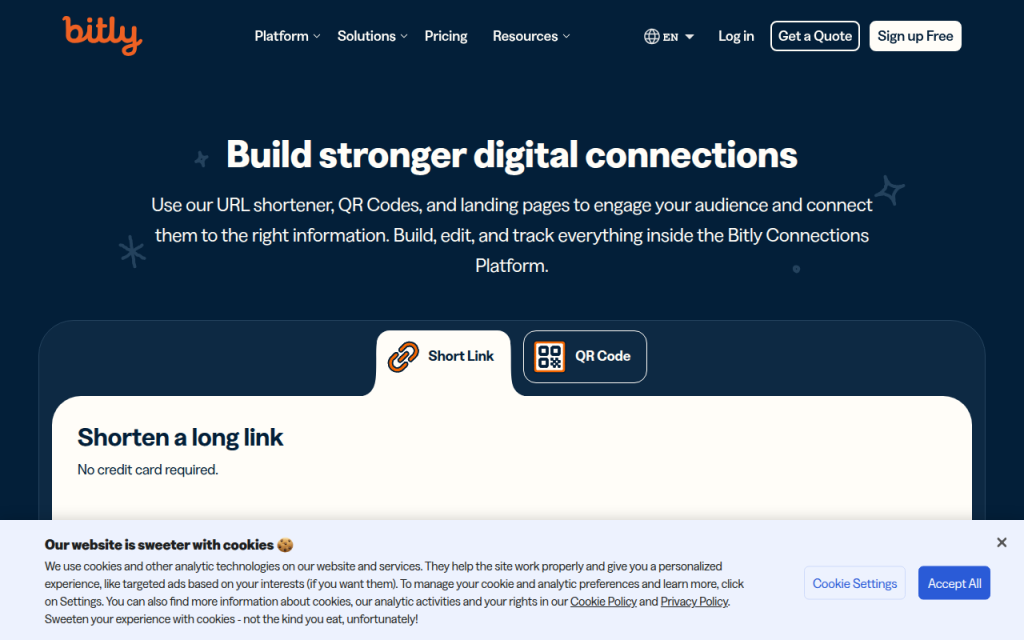
Bitly is one of the most recognized names in link shortening, and that brand familiarity is part of its appeal. For many businesses, it is the default answer when they need to shorten URL online, especially if they also want analytics, QR codes, and team-friendly management.
It works well for small businesses, agencies, and marketing teams that want more than a one-click utility. Bitly’s interface is polished, reporting is easy to understand, and it supports branded links at scale. That combination makes it strong for campaigns where presentation and measurement matter equally.
Key features include branded links with custom domains, click analytics, QR code generation, integrations and API access, and team-oriented link management. Bitly is a well-known and trusted platform with robust analytics for business users. Many of its best features are behind paid tiers, which can make it feel like overkill for occasional personal use.
Website: bitly.com
2. TinyURL
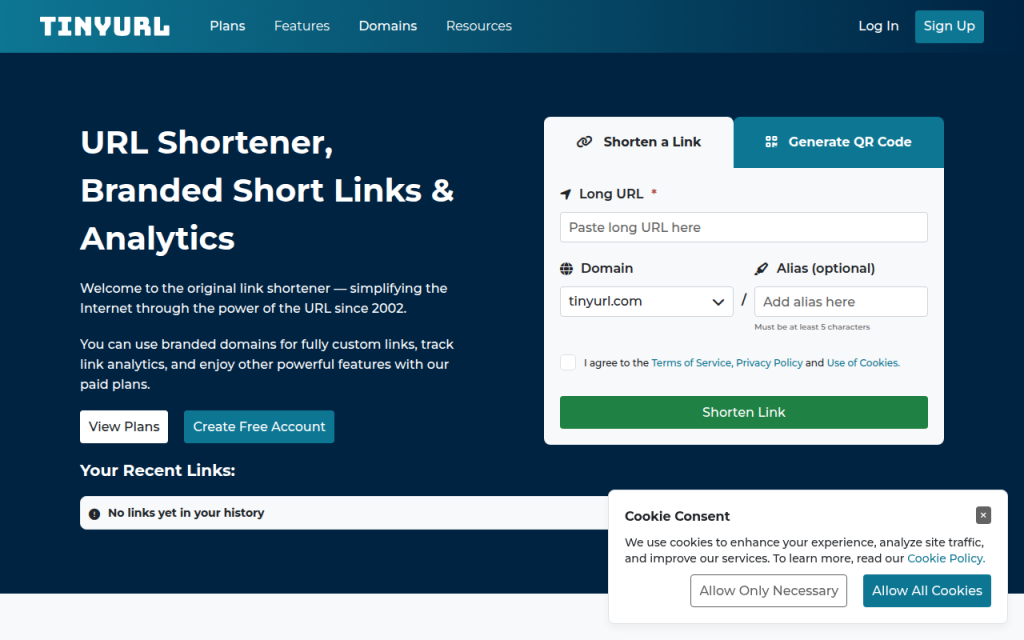
TinyURL remains popular because it does the basic job quickly. If your main goal is simply to shorten a link and move on, it offers a straightforward experience with minimal setup friction.
It is best for casual users, freelancers, and anyone who values speed over advanced campaign controls. Compared with more marketing-heavy tools, TinyURL feels lightweight, which can be an advantage when you do not need dashboards full of data.
TinyURL provides fast public URL shortening, optional alias customization, browser extensions, and simple management tools. It is very easy to use and familiar, but its analytics and campaign features are not as deep as business-focused platforms.
Website: tinyurl.com
3. Rebrandly
Rebrandly is built around a simple idea: your short links should reinforce your brand, not someone else’s. That makes it especially attractive to small businesses, consultants, agencies, and ecommerce teams that care about presentation and consistency.
Its strongest appeal is branding. If you want every shared link to look like part of your company identity, Rebrandly is one of the cleanest options on the market. It also supports analytics and integrations that help move it beyond aesthetics into serious campaign use.
Rebrandly offers strong custom domain support, branded short links at scale, link analytics, campaign tracking, and collaboration features. It is excellent for a branded link strategy and a clean user experience, though it is less appealing if you only need occasional free links.
Website: rebrandly.com
4. Short.io
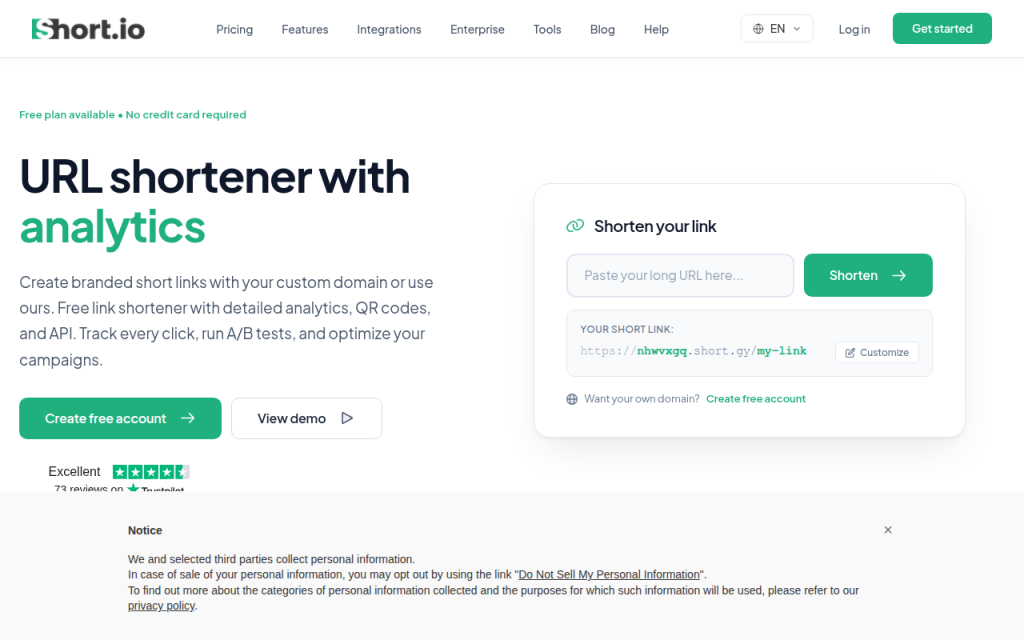
Short.io is a versatile option that sits comfortably between marketer-friendly and developer-friendly. It supports branded domains, strong analytics, QR codes, and automation options, making it a practical choice for growing businesses.
Where Short.io stands out is flexibility. It works for a startup that needs clean branded links today and still has room to support APIs, routing rules, and larger campaigns later. That makes it one of the better all-around platforms in this category.
Short.io provides multiple custom domains, detailed click analytics, API and automation support, QR code creation, and smart routing options. It offers a broad feature set for the price and is suitable for both business users and technical teams, though the interface has more moving parts than ultra-simple tools.
Website: short.io
5. BL.INK
BL.INK is more business-focused than many consumer-facing shorteners. It is designed for teams that care deeply about governance, analytics, and structured campaign management.
For enterprises or data-driven organizations, BL.INK can be compelling because it treats links as managed assets rather than disposable shortcuts. It is less about casual convenience and more about reliable, measurable distribution at scale.
BL.INK emphasizes advanced analytics and link governance, making it a strong fit for teams that need enterprise-oriented capabilities. It is not the simplest option for solo users, and pricing tends to target business customers.
Website: bl.ink
6. Tiny.cc
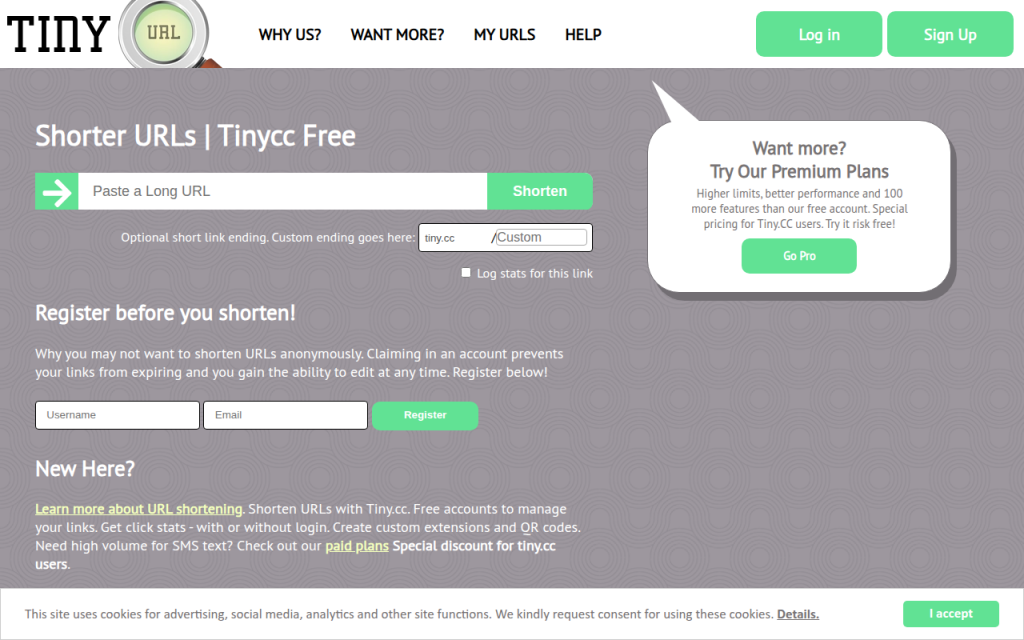
Tiny.cc is a practical middle-ground tool for users who want simplicity with a bit more control. It is often chosen by individuals, educators, and small businesses that want manageable short links without jumping into a heavier enterprise platform.
It offers useful features for recurring use, including custom aliases and reporting, while keeping the experience approachable. That makes it a sensible option if you have moved beyond one-off free shortening but are not ready for a full marketing suite.
Tiny.cc provides a straightforward interface, useful customization for light business use, and better structure than the most basic free tools. It is less powerful than top-tier business platforms, and its brand recognition is lower than Bitly or TinyURL.
Website: tiny.cc
7. is.gd
is.gd is about as minimal as URL shortening gets. It is quick, public, and lightweight, which makes it useful for users who need instant shortening without account creation or platform overhead.
That simplicity is also the limitation. You do not come here for rich branding, deep reporting, or business collaboration. You use it when speed matters more than management.
is.gd is extremely fast and simple, and it is good for one-off public links. It offers minimal analytics and branding, so it is not ideal for business trust or long-term campaigns.
Website: is.gd
8. T2M
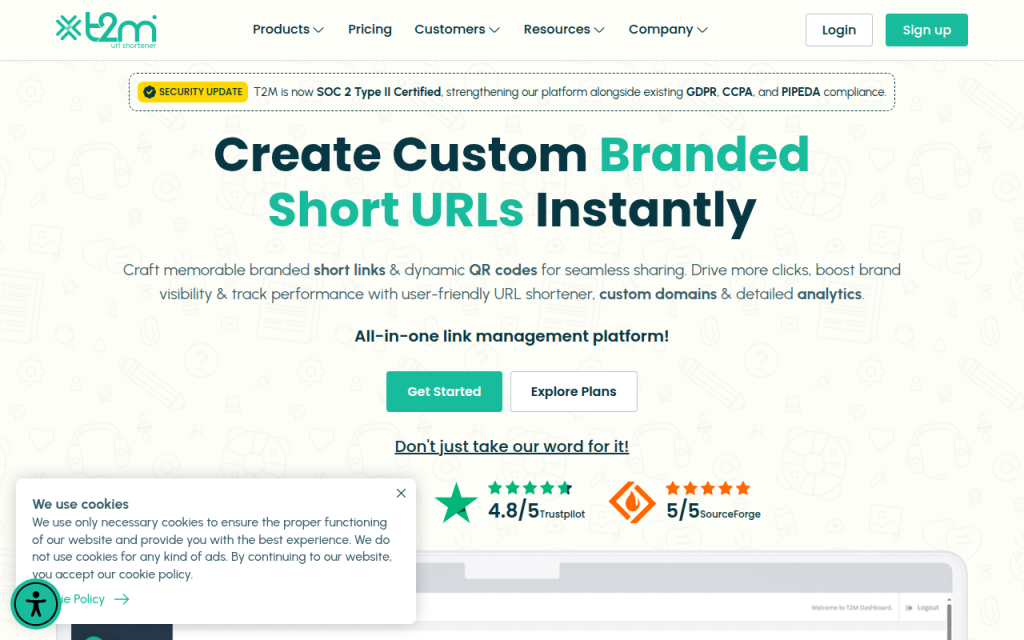
T2M is often appreciated by users who care about QR codes and campaign measurement. It is built more for active marketing and operational use than pure casual shortening.
If your workflow includes QR campaigns, reporting, and bulk link management, T2M is worth a close look. It may not have the same mainstream name recognition as Bitly, but its feature set is well aligned with practical business use.
T2M offers strong QR code support, good analytics and management tools, and bulk usage features. It is a paid-focused platform that fits recurring users who need campaign features and higher usage limits.
Website: t2mio.com
9. YOURLS
YOURLS, short for Your Own URL Shortener, is one of the best-known open-source options. Unlike hosted tools, YOURLS gives you full control over your shortener, your data, and your domain.
This makes it ideal for developers, agencies, and organizations that want to avoid vendor dependency. It does require technical setup and ongoing maintenance, but in return you get ownership and flexibility that managed platforms cannot fully match.
YOURLS supports self-hosted URL shortening, custom domain support, a plugin ecosystem, API access, and full data control. It provides complete ownership of infrastructure and data, with no subscription lock-in, but you are responsible for hosting, security, and maintenance.
Website: yourls.org
10. Kutt
Kutt is a modern open-source shortener with a cleaner feel than many older self-hosted projects. It appeals to privacy-conscious users and developers who want open-source flexibility without a clunky experience.
It can be self-hosted or used through hosted variants, depending on the deployment route you choose. That flexibility makes it interesting for users who may want to start light and retain the option of greater control later.
Kutt is open-source and privacy-friendly, with a modern interface that balances usability and control. Self-hosting still requires technical skill, and feature depth depends on the deployment setup.
Website: kutt.it

Security, privacy, and deliverability considerations
Short links can look suspicious because they hide the final destination, which is the core trust challenge for this category. Reputable providers address it with abuse detection, malware scanning, rate limiting, and moderation systems.
If safety is a priority, choose established providers or run a well-maintained self-hosted solution with clear governance. For customer-facing campaigns, branded domains help because users can see your identity before clicking.
Privacy is equally important. Many shorteners collect click metadata such as timestamp, approximate location, device type, and referrer. That is useful for analytics, but it also means you should review the provider’s privacy policy, data retention practices, and compliance posture if you serve regulated markets or privacy-conscious audiences.
Deliverability matters in email and SMS. Some public shortener domains have been abused heavily, which can hurt trust with spam filters or recipients. A custom branded domain often performs better because it reduces the mystery link problem and presents a more legitimate identity.
Advanced features to look for
Some URL shorteners do much more than redirect traffic. Deep linking can send mobile users into a specific app screen instead of a generic webpage, which is powerful for product onboarding, ecommerce flows, and app re-engagement.
Retargeting pixels and A/B routing can also matter for marketers. A short link can become a traffic-control layer, sending users to different destinations based on rules, experiments, or campaigns. Used carefully, this can improve conversion rates without changing every published asset.
For developers and operations teams, API access, webhooks, and bulk shortening are where these tools become infrastructure. If your system generates links dynamically for notifications, customer portals, invoices, or support flows, automation saves time and reduces human error.
Common pitfalls and how to avoid them
The biggest operational risk is link rot. If a provider changes policy, deletes inactive links, or shuts down, your short URLs can break. That is a serious issue for printed QR codes, evergreen content, and customer documents.
The best defense is simple. Keep a backup of all created links and their destination URLs. Export your link database regularly if the provider allows it. If the link is mission-critical, favor a branded domain and a provider with a solid reputation, or self-host.
Another common mistake is over-shortening. A tiny link might save characters, but if it looks random and generic, it can reduce trust. Branded domains and readable slugs often perform better than cryptic strings.
Analytics mismatches are also common. Built-in shortener metrics do not always match Google Analytics or CRM data exactly because each system measures slightly different events and may filter traffic differently. Set expectations early and define one primary reporting source for decision-making.
Privacy-friendly and open-source URL shorteners
For teams that care about control, open-source tools such as YOURLS and Kutt are the main starting points. They let you manage your own short domain, store your own data, and avoid dependency on a commercial platform’s roadmap.
Self-hosting makes the most sense when privacy, compliance, custom behavior, or long-term ownership matter more than convenience. It is especially useful for agencies managing many client brands, internal enterprise tools, and developer-led teams that already operate web infrastructure.
The trade-off is operational responsibility. You must manage hosting, updates, SSL, backups, security patches, and abuse prevention. If that sounds like overhead rather than leverage, a hosted business platform is probably the better fit.
How to measure ROI from shortened links
Short links are valuable because they make campaigns easier to measure and improve.
Track clicks, click-through rate, conversion rate, and downstream outcomes such as signups, purchases, or booked calls. If your shortener provides device and geography data, use that to understand where performance differs across audiences.
The strongest attribution setup combines UTM parameters with the shortener’s own analytics. The shortener shows top-of-funnel engagement, while your analytics platform or CRM shows what happened after the click. Together, they reveal whether a specific link is just attracting attention or actually generating business value.
A practical example helps. If you run the same offer in email, SMS, and Instagram Stories, create separate shortened links with distinct UTMs. Then compare which channel drove the most clicks, which delivered the best conversion rate, and which produced the highest revenue per click. That is where ROI becomes clear.
Recommended quick checklist before sharing a shortened URL
Before publishing any short link, take one minute to verify the basics:
- Destination URL: Confirm it loads the correct page and does not return errors.
- Tracking parameters: Check UTMs for duplicates, typos, or missing values.
- Branding: Make sure the custom domain and slug look trustworthy and relevant.
- Testing: Open the link on mobile, desktop, and inside the channel where it will be shared.
That tiny checklist prevents most avoidable mistakes.
Frequently asked questions
Are shortened URLs safe to click?
They can be, but safety depends on the provider and sender. Branded short links from known businesses are generally safer than anonymous public links from unknown sources. If in doubt, preview the destination or verify the source before clicking.
Do shorteners hurt SEO?
A reputable shortener using proper redirects does not automatically harm SEO. The real issue is not the short link itself, but how it is used. For long-term SEO assets, use redirects thoughtfully and avoid creating unnecessary redirect chains.
Can I customize the slug?
Usually yes, especially on paid tools and some free platforms. Restrictions often apply to length, special characters, reserved words, and availability.
What happens if the shortener shuts down?
If the service disappears, your links may stop working. That is why mission-critical campaigns should use reputable vendors, exported link backups, and ideally a branded domain strategy that makes migration easier.
Conclusion and recommended next steps
If you only need to shorten a URL online a few times a month, a simple public tool like TinyURL or is.gd may be enough. If you want branded links, stronger analytics, QR codes, and team workflows, Bitly, Rebrandly, or Short.io are better fits. If ownership and privacy matter most, YOURLS or Kutt deserve serious attention.
The best next step is practical. Pick one use case, such as your next email campaign, SMS promotion, or social post. Create a short link, add clean UTM parameters, test it across devices, and measure results. If you see value quickly, move to a custom domain next. That is usually the point where link shortening stops being a convenience and starts becoming a real business asset.