

Karmaşık PHP kodu, çoğu kişinin beklediğinden daha hızlı bir şekilde ekipleri yavaşlatır. Eksik bir boşluk üretimi üretimi bozmaz, ancak tutarsız biçimlendirme kod incelemelerinde sürtüşme yaratır, birleştirmeleri zorlaştırır ve basit dosyaları bile güvenilir kılmaz.
İyi bir PHP biçimleyici, stil kararlarını insanlardan çıkararak bunu çözer. Her çekme isteğinde parantez konumu veya satır kırpma konusunda tartışmak yerine kuralları bir kez belirlersiniz, aracı otomatik olarak çalıştırırsınız ve o noktadan itibaren kod tabanını temiz tutarsınız.
Yalnız geliştiriciler için bu, daha hızlı çalışma ve daha az dikkat dağıtıcı unsur anlamına gelir. Ajanslar, yeni kurulan şirketler ve daha büyük mühendislik ekipleri için bu, tutarlı kod, istikrarlı farklar (diffler), daha kolay işe alım ve daha sorunsuz CI/CD boru hatları anlamına gelir. En güzel tarafı, en güçlü PHP biçimlendirme araçlarının ya ücretsiz olması ya açık kaynak olması ya da bugün kullandığınız iş akışlarına zaten dahil olmasıdır; örnek araçlara bakın.
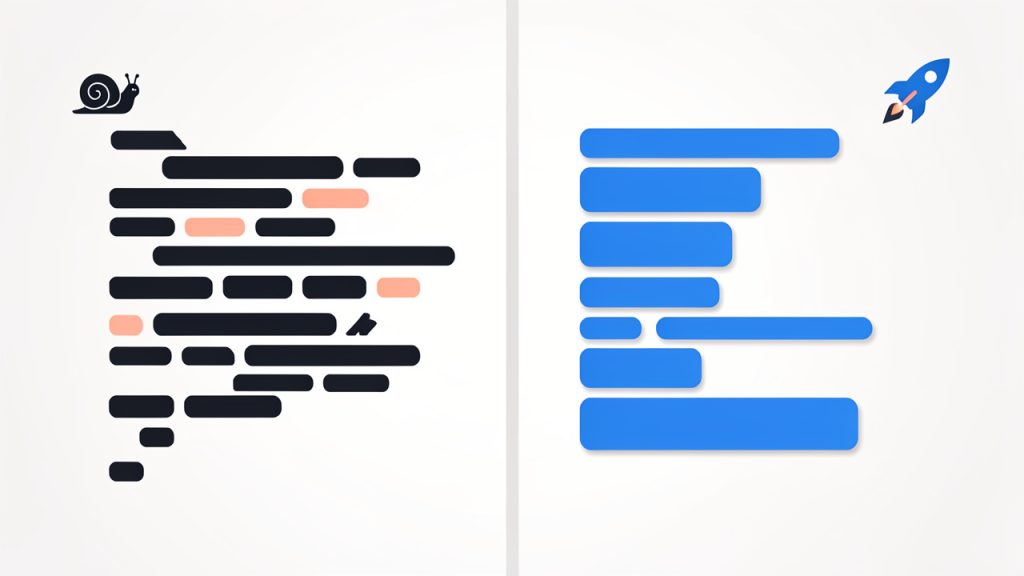
What is a PHP formatter and why it matters
A PHP formatter is a tool that rewrites your code so it follows a consistent style. It handles indentation, spacing, line breaks, brace placement, import ordering, and other layout rules. The goal is not to change what the code does, but to change how it looks so humans can read it more easily.
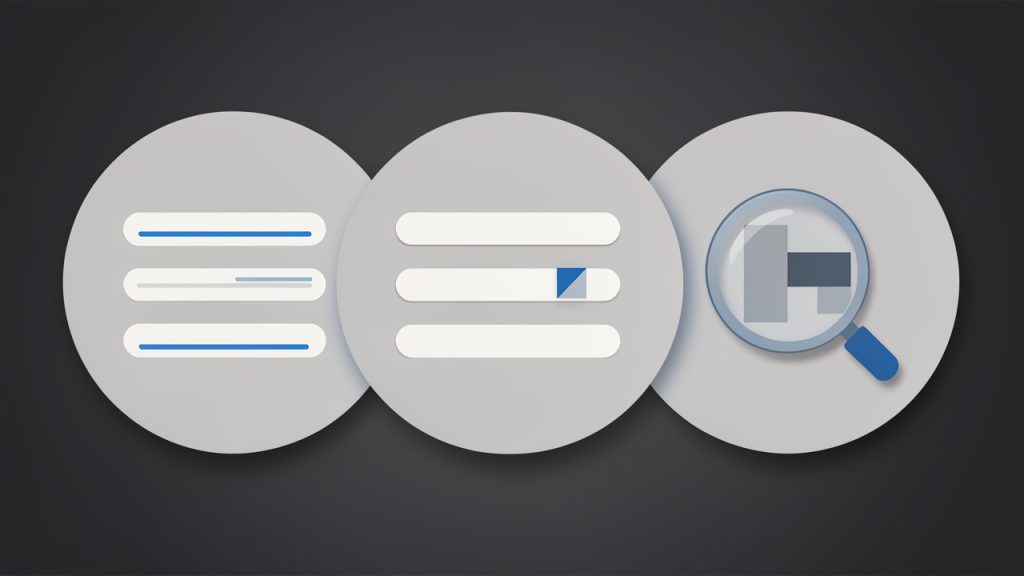
Bu, biçimleyiciyi bir linter veya statik analizörden ayırır. Bir biçimleyici sunuma ve stile odaklanırken, bir linter sözdizimi sorunlarını ve kural ihlallerini kontrol eder ve bir statik analizör tür sorunları, kullanılmayan kodu, tehlikeli mantığı ve mimari sorunları daha derinlemesine inceler. Uygulamada, güçlü PHP iş akışları genellikle bunların üçünü de kullanır.
Biçimlendirme neden önemlidir? Basitçe ifade etmek gerekirse; ekipler kodu yazmaktan çok daha sık okur. Tutarlı bir stil ile bir kod tabanı öngörülebilir hisseder. Fonksiyonları daha hızlı tarayabilir, değişiklikleri daha temiz karşılaştırabilir ve kod inceleme süresini mimari veya hatalar üzerinde geçirebilirsiniz; tab veya boşluk tartışmasıyla değil. Bu özellikle açık kaynak projeleri, müşteri devri işleri, kurumsal depolar ve otomatik Git kancaları ya da CI kontrolleri içeren kurulumlar için değerli. Haftada birkaç katkıda bulunanın aynı koddaki değişikliklerine dokunması durumunda, bir biçimleyici kendi kendine yatırım yapar.
How PHP formatting works: key principles and rules
Most modern PHP formatters read your files as tokens, and some tools operate closer to parsed syntax structures. They do not simply perform blind text replacement. They inspect the code, understand where keywords, operators, strings, comments, and blocks begin and end, then rewrite the file according to configured rules.
That is why a proper formatter can safely normalize code that includes complex syntax such as anonymous classes, union types, attributes, match expressions, heredoc and nowdoc blocks, and newer PHP 8+ language features. A weak formatter would break these cases. A mature one handles them predictably.
Core formatting rules
At a practical level, most formatters enforce the same families of rules. They normalize indentation, brace placement, whitespace around operators, line breaks, array formatting, and import ordering. Many tools also remove unused imports, align multiline statements, and standardize blank lines between class members. A key quality to look for is idempotence. That means if you run the formatter twice, the second run should produce no additional changes. Idempotent tools create stable diffs, reduce noise in pull requests, and make CI runs more reliable.
PSR standards and style guides
In the PHP ecosystem, PSR-1, PSR-2, and especially PSR-12 are the most familiar style references. PSR-12 is the modern baseline many teams start with because it gives a widely accepted structure for formatting and layout. The strongest formatters let you begin with PSR-12, then layer custom preferences on top, such as import ordering, trailing commas, or argument wrapping.
Deterministic versus configurable formatting
Some tools are highly opinionated and aim to produce one predictable output. Others are highly configurable and let teams tune dozens of rules. If you run a small team or work solo, an opinionated formatter can save time because it reduces decision fatigue. If you maintain a legacy application or need to match an existing internal style guide, a more configurable tool is often the better fit.
1. PHP-CS-Fixer
PHP-CS-Fixer is one of the most widely used PHP formatting tools, and for good reason. It is fast, mature, and highly configurable, built specifically for enforcing and fixing coding standards in PHP projects. If you want a serious formatter that can scale from a personal project to a large production codebase, this is often the first tool to evaluate.
What makes PHP-CS-Fixer stand out is its balance between sensible presets and deep customization. You can start with a rule set like @PSR12, then add or remove individual fixers as your team refines its style. That flexibility is useful for agencies, product teams, and maintainers of long-lived codebases that need consistency without giving up control. Key features include configurable rule sets based on PSR and community presets, automatic code fixing, diff output to review changes before committing, cache support to speed up repeated runs, and good CI and Git hook compatibility.
PHP-CS-Fixer is very flexible for custom team conventions, excellent for automation in pre-commit hooks and CI, and widely adopted with strong ecosystem support. It can feel overwhelming if you are new to formatter rules, and some risky fixers require careful testing before broad adoption. Pricing is simple: PHP-CS-Fixer is free and open source.
2. PHP_CodeSniffer and phpcbf
PHP_CodeSniffer, usually referred to as phpcs, is best known for detecting coding standard violations. Its companion tool, phpcbf, can automatically fix many of those violations. Together, they form a strong standards-enforcement workflow for teams that care deeply about rule compliance and auditing.
This pair is especially useful when your project needs to report style issues as much as it needs to fix them. In many organizations, phpcs serves as the standards gatekeeper in CI, while phpcbf handles automatic cleanup where possible. If your workflow leans heavily on formal coding standards and rulesets, this toolchain deserves serious consideration. Key capabilities include ruleset-driven validation via XML configuration, support for official standards such as PSR-12, automatic fixes through phpcbf, strong editor and CI integration, and detailed reporting for teams that want visibility into violations.
phpcs is excellent for enforcement and auditing, with clear reporting in team environments and good CI suitability. The trade-offs are that auto-fix coverage can be narrower than PHP-CS-Fixer for some style preferences, and the configuration feels more standards-oriented than formatter-oriented. PHP_CodeSniffer is free and open source.
3. Prettier Plugin PHP
Prettier Plugin PHP brings the Prettier philosophy to PHP. If your project already uses Prettier for JavaScript, TypeScript, CSS, Markdown, or JSON, adding PHP formatting through the same style-first workflow can be appealing. Its biggest strength is consistency in mixed-language repositories. Small product teams and full-stack freelancers often prefer one formatting mindset across the stack instead of maintaining separate habits for frontend and backend files. Key trade-offs are that it is less PHP-specific in customization than PHP-CS-Fixer and may not align with every legacy PHP style guide. Prettier and its PHP plugin are generally free and open source.
4. PhpStorm Built-in Formatter
If your team works primarily inside PhpStorm, the built-in formatter can be surprisingly effective. JetBrains provides detailed code style controls, inspection support, and save-time actions that make real-time formatting feel seamless. This is a strong choice for developers who want immediate feedback in the editor and a polished IDE experience. However, relying only on IDE formatting can create drift if not everyone uses the same version and settings, so teams usually pair PhpStorm with a CLI formatter in CI. The IDE offers an excellent editor experience, real-time formatting, and fine-grained settings, but it is best for teams standardized on PhpStorm and requires shared settings discipline to avoid inconsistencies. PhpStorm is a paid commercial IDE, though JetBrains offers trials and licensing programs.
5. Online PHP Formatters
Online PHP formatter tools are useful when you need a quick cleanup, want to inspect style output, or are helping a client or junior developer understand formatting changes without setting up a local environment. They can be convenient for one-off snippets and rapid experiments, but they are not the best foundation for professional workflows. For production repositories, local and CI-integrated tools are far more reliable, because you want versioned configuration, reproducible output, and privacy controls if the code is proprietary or sensitive. Online formatters are fast and easy for small snippets, require no installation, and are helpful for quick experiments, but they often lack guarantees around privacy, version locking, and long-term availability. Pricing varies, and many online formatters are free to use with limited guarantees.
Comparing the most popular PHP formatter options
For most professional use cases, the real decision comes down to PHP-CS-Fixer versus PHP_CodeSniffer/phpcbf, with Prettier Plugin PHP entering the picture when the repository is heavily mixed-language. The core distinction is this: PHP-CS-Fixer is usually the better pure formatting tool, while phpcs + phpcbf is often the better standards-enforcement tool. That does not mean one replaces the other in every setup. Many teams run formatting with one tool and validation with another.
| Araç | En İyi İçin | Güç | Takas |
|---|---|---|---|
| PHP-CS-Fixer | Esnek, otomatik biçimlendirme isteyen takımlar | Zengin kural özelleştirme ve güçlü otomatik düzeltme | Kural kararları ve sürüm kilitleme gerekir |
| PHP_CodeSniffer + phpcbf | CI’da resmi standartları uygulayan takımlar | Güçlü raporlama ve standart denetimleri | Bazı durumlarda otomatik düzeltme esnek olmayabilir |
| Prettier Plugin PHP | Karışık JS/PHP depoları | Çapraz dil biçimlendirmede tutarlılık | PHP için daha az özel özelleştirme |
| PhpStorm Formatter | IDE odaklı iş akışları | Yerel geliştirici deneyimini harika kılar | Takım tutarlılığı için CLI/CI yedeğine ihtiyaç duyar |
| Online Formatters | Hızlı snippet temizliği | Anında kolaylık | Ciddi takım iş akışları için uygun değildir |
Choosing the right formatter for your project
En iyi PHP biçimleyici, ekibinizin gerçekten tutarlı kullanacağı tool’dır. Bu basit görünebilir ama birçok proje güçlü bir araç seçip konfigürasyonu tamamlamaz, ya da Git ve CI’a bağlanmaz. Yalnız bir geliştirici veya freelancer iseniz, PHP-CS-Fixer çoğu zaman en basit güçlü varsayılandır çünkü otomatikleştirmek kolaydır, PSR-12 ile iyi uyum sağlar ve büyümek için alan verir. Eğer formal coding standards kullanan bir takımda çalışıyorsanız, PHP_CodeSniffer + phpcbf, uyum odaklı bir iş akışında daha iyi uyum sağlayabilir.
Seçmeden önce düşünülmesi gerekenler: ekip büyüklüğü biçimlendirmenin ne kadar katı ve otomatik olması gerektiğini etkiler, mevcut stil kılavuzları değişiklik yaparken difflerde gürültü yaratabileceği için önemli, CI gereksinimleri yerel biçimlendirmenin bilelikliğini garanti etmez, ve depo büyüklüğü performans ve önbelleklemenin daha büyük monorepo’larda daha belirgin hale gelmesine neden olur. Biçimleyici sürümlerini Composer veya araçlarınızın kurulum yapısında kilitleyin, konfigürasyon dosyasını depoya ekleyin ve geniş çapta uygulanmadan önce biçimlendirme değişikliklerini test edin. Bir biçimleyici güven oluşturmalı, sürpriz yapmamalıdır.
Step-by-step: Setting up PHP-CS-Fixer
PHP-CS-Fixer, basit ve gelişmiş biçimlendirme iş akışlarını iyi yönettiği için başlamak için güçlü bir adımdır. Kurulum basittir, ve konumlandığında günlük kullanımı otomatikleşir.
Install via Composer
Eğer projeniz Composer kullanıyorsa, geliştirme bağımlılığı olarak kurun:
composer require --dev friendsofphp/php-cs-fixer
Bağımsız bir ikili tercih ederseniz PHAR dağıtımını da kullanabilirsiniz, ancak Composer genelde ekipler için en kolay seçenektir çünkü sürümü projede kilitler.
Create a basic configuration
PSR-12 kullanan bir minimal .php-cs-fixer.php dosyası şu şekilde görünebilir:
<?php
$finder = PhpCsFixerFinder::create()
    ->in(__DIR__ . '/src')
    ->in(__DIR__ . '/tests');
return (new PhpCsFixerConfig())
    ->setRules([
        '@PSR12' => true,
    ])
    ->setFinder($finder);
Sadece biraz daha özelleştirilmiş bir kurulum isterseniz, extend edebilirsiniz:
<?php
$finder = PhpCsFixerFinder::create()
    ->in([__DIR__ . '/src', __DIR__ . '/tests'])
    ->exclude(['vendor', 'storage', 'cache']);
return (new PhpCsFixerConfig())
    ->setRiskyAllowed(false)
    ->setRules([
        '@PSR12' => true,
        'array_syntax' => ['syntax' => 'short'],
        'ordered_imports' => true,
        'no_unused_imports' => true,
        'trailing_comma_in_multiline' => true,
    ])
    ->setFinder($finder);
Bu, erken aşamada çok fazla görüşe girmeden pratik bir temel sağlar.
Run locally and review diffs
Dosyaları düzeltmek için:
vendor/bin/php-cs-fixer fix
Daha görünür bir önizleme için değişiklikleri ön izlemek için:
vendor/bin/php-cs-fixer fix --dry-run --diff
Bu dry-run modu CI’da değerlidir çünkü pipeline’da dosyaları yeniden yazmadan kodun uyumlu olup olmadığını söyler.
Add a pre-commit hook
Bir Git ön-commit kancası, biçimlendirilmemiş PHP’nin depo içindeki yere düşmesini engelleyebilir:
#!/bin/sh
vendor/bin/php-cs-fixer fix --quiet
git add .
Olgun bir iş akışında, kapsamı genelde sadece staged PHP dosyalarıyla sınırlamak yaygındır, ancak basit bir kanca bile tutarlılığı ciddi şekilde artırabilir.
GitHub Actions example
GitHub Actions için, basit bir biçimlendirme kontrolü şu şekilde görünebilir:
name: PHP Formatting
on: [push, pull_request]
jobs:
### php-cs-fixer:
    runs-on: ubuntu-latest
    steps:
      - uses: actions/checkout@v4
      - uses: shivammathur/setup-php@v2
### with:
          php-version: '8.2'
      - run: composer install --no-interaction --prefer-dist
      - run: vendor/bin/php-cs-fixer fix --dry-run --diff
GitLab CI example
GitLab CI için karşılığı şu kadar doğrudur:
php_cs_fixer:
  image: php:8.2
### script:
    - apt-get update && apt-get install -y git unzip
    - php -r "copy('https://getcomposer.org/installer', 'composer-setup.php');"
    - php composer-setup.php
    - php composer.phar install --no-interaction --prefer-dist
    - vendor/bin/php-cs-fixer fix --dry-run --diff
Projenizin büyük olması durumunda önbellek desteğini kullanın. Daha büyük depolarda bu, tekrarlı çalışma sürelerini belirgin biçimde azaltabilir.
Step-by-step: Using PHP_CodeSniffer and phpcbf
Eğer PHP-CS-Fixer biçimleyici odaklıysa, PHP_CodeSniffer standart odaklıdır. Bu bir zayıflık değildir; birçok organizasyonda amaç tam olarak böyledir.
Install and run basic checks
Composer ile kurun:
composer require --dev squizlabs/php_codesniffer
Temel bir PSR-12 kontrolü çalıştırın:
vendor/bin/phpcs --standard=PSR12 src tests
İhlaller otomatik olarak düzeltilebiliyorsa, phpcbf kullanın:
vendor/bin/phpcbf --standard=PSR12 src tests
Create a custom ruleset
Basit bir phpcs.xml veya ruleset.xml dosyası, tekrarlanabilir standart uygulaması sağlar:
<?xml version="1.0"?>
<ruleset name="ProjectStandard">
    <description>Project coding standard</description>
    <rule ref="PSR12" />
    <exclude-pattern>vendor/*</exclude-pattern>
    <exclude-pattern>storage/*</exclude-pattern>
</ruleset>
Bu dosya mevcut olduğunda, tüm standart tanımını komutta tekrarlamadan phpcs’i çalıştırabilirsiniz.
Editor and CI integration
Çoğu editör phpcs’i doğrudan çağırabilir, bu da anında geri bildirim için yararlıdır. CI’da phpcs, ihlaller bulunduğunda sıfır olmayan bir durumla çıktığı için kapı görevi olarak iyi çalışır. Bu, birleştirme öncesi biçimlendirilmemiş kodu engellemeyi kolaylaştırır. Phpcbf’nin, phpcs’in tespit edebileceği her ihlali otomatik olarak düzeltemeyebileceğini unutmamak önemli bir sınırlamadır. Bu, bazı ekiplerin biçimlendirme için PHP-CS-Fixer’ı, raporlama için phpcs’i tercih etmesinin bir nedenidir.
Editor and IDE integration: real-time formatting workflows
En iyi biçimlendirme kurulumu, geliştiricilerin neredeyse hiç fark etmediği ve otomatik olarak gerçekleşen kuruluştur. Burada editor entegrasyonu önem kazanır. Biçimlendirme yalnızca CI’da gerçekleşiyorsa, geliştiriciler kesintiye uğradıklarını hissedebilir. Aynı yapılandırmanın CI’da kullanıldığıyla editörde gerçekleşiyorsa süreç doğal hissedilir.
PhpStorm’da, yerleşik kod stil kurallarını yapılandırabilir ve PHP-CS-Fixer veya PHP_CodeSniffer gibi harici araçları da entegre edebilirsiniz. VS Code’da, yaygın uzantılar phpcs, php-cs-fixer ve hatta Prettier Plugin PHP’yi destekler. Kritik nokta tutarlılık: düzenleyici ile komut satırı ve CI ortamlarınızla aynı araç, aynı sürüm ve aynı proje yapılandırmasını kullanacak şekilde ayarlanmalıdır.
Çakışmalar genelde birden çok araç dosyayı kaydederken aynı dosyayı biçimlendirmeye çalıştığında meydana gelir. Örneğin, PhpStorm stil ayarları PHP-CS-Fixer ile çarpışabilir veya Prettier phpcbf çalıştıktan sonra dosyaları yeniden biçimlendirebilir. Save (kaydet) eylemleri düzensiz hissediyorsa, dosya türü başına birincil biçimleyici seçin ve çakışan format-on-save davranışını devre dışı bırakın.
Best practices and team conventions
Bir biçimleyici, yan araç olmaktan çok takım kültürünün bir parçası haline geldiğinde en iyi şekilde çalışır. Bu, konfigürasyon dosyasını depoya eklemek, araç sürümlerini kilitlemek ve onboarding notlarında beklenen iş akışını belgelemek anlamına gelir.
Kısa vadeli projeler için, tüm kod tabanını bir anda değiştirmek yerine özel bir biçimlendirme commit’i oluşturup hızlıca birleştirmek ve sonra takıma yeniden tabanı uyarlama çağrısı yapmak daha temiz bir yaklaşımdır. Başka bir seçenek ise adım adım benimsemedir; yalnızca değişen dosyaların biçimleyiciye uymasını sağlamak. Her iki yaklaşım da geçerlidir. Doğru olan depo boyutu, ekip koordinasyonu ve sürüm baskısına bağlıdır.
Kod incelemesini mantığa odaklı tutun. Biçimleyici işini yapıyorsa, incelenenler boşluk değişiklikleri istemek için zaman kaybetmemeli. Bu gerçek üretkenlik kazancıdır.
Common pitfalls and how to avoid them
Bir PHP biçimleyiciyle ilgili en büyük şikayet PR değişimlerinin çok fazla olmasıdır. Küçük bir özellik dalı aniden yüzlerce yalnız biçimlendirme değişikliği gösterebilir ve incelemeyi zorlaştırır. Çözüm, süreç disiplindir: kendi commit’inde temel bir biçimlendirme pass’ını çalıştırın, sonra özellik çalışmalarını ayrı tutun.
Araç çakışması da yaygın bir sorun olabilir. Biçimleyici ile linter çakışırsa, geliştiricilerin güveni hızla sarsılır. Standartları uyumlu hale getirin, mümkün olduğunca örtüşmeyi azaltın ve CI’da zorlamadan önce tam iş akışını test edin.
Performans, büyük depolarda da problem olabilir. Ön belleklemeyi kullanın, yerel kancalarda değiştirilen dosyalarla çalışmayı sınırlayın ve tam depo doğrulamasını CI veya planlı kontroller için ayırın. Otomatik düzeltme davranışı değiştiriyor gibi görünürse durun ve doğrulayın. Biçimlendirme mantığı değiştirmemeli; ancak bazı gelişmiş veya riskli düzelticiler yan etkilere sahip olabilir. Bu yüzden birleştirme öncesi testlerin çalışması gerekir.
Quick reference: commands, config snippets, and CI templates
Here are the most useful commands to keep nearby in day-to-day work:
| Task | Command |
|---|---|
| Run PHP-CS-Fixer | vendor/bin/php-cs-fixer fix |
| Preview PHP-CS-Fixer changes | vendor/bin/php-cs-fixer fix --dry-run --diff |
| Run phpcs with PSR-12 | vendor/bin/phpcs --standard=PSR12 src tests |
| Auto-fix with phpcbf | vendor/bin/phpcbf --standard=PSR12 src tests |
A practical setup for many teams is simple: use PHP-CS-Fixer for formatting, optionally use phpcs for enforcement and reporting, wire both into pre-commit hooks and CI, and keep the configuration versioned in the repository.
Frequently asked questions
Does formatting change code behavior?
Usually, no. A proper PHP formatter is designed to preserve behavior while changing style. Still, some advanced fixers can be more aggressive, so it is smart to run tests after adopting new rules.
Should I run a formatter in CI or locally?
Both. Local formatting gives developers instant feedback. CI gives the team a final consistency gate. Using both prevents surprises.
How do I handle mixed-language repositories?
If your repo contains PHP plus JavaScript, CSS, Markdown, and JSON, a split approach works well. Use a dedicated PHP formatter for PHP and Prettier for frontend assets, or adopt Prettier Plugin PHP if cross-language consistency matters more than deep PHP-specific customization.
What about coding style debates?
That is exactly what a formatter is for. Decide once, configure the tool, and move on to reviewing architecture, correctness, and maintainability.
Further resources and references
The official docs are still the best place to verify rule support, installation details, and current syntax compatibility. Start with PHP-CS-Fixer on GitHub, PHP_CodeSniffer on GitHub, PhpStorm documentation on jetbrains.com, and Prettier on prettier.io.
If you are implementing a formatter for a team today, the most effective next step is straightforward. Choose one tool, commit a project config, run it on a small part of the codebase, and connect it to your editor and CI. Once that is working smoothly, expand the scope. A reliable PHP formatter does not just clean code, it cleans up the entire development process.
Bir yanıt yazın